The Rainbow Rose Embroidery Design: A Craft Fair Standout
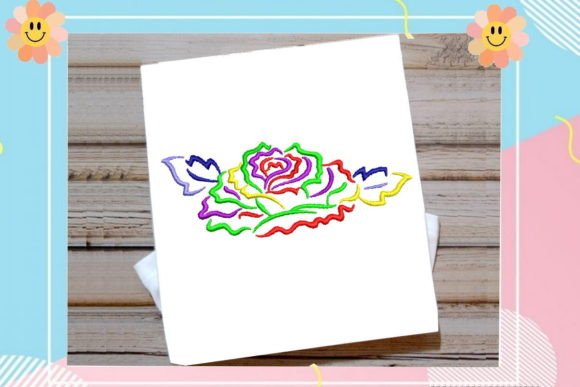
As an embroidery designer preparing for a weekend craft fair, my first task is to review my digital embroidery files and decide which designs will become my best-selling handmade products. Today, I’m evaluating the Rainbow Rose, a single flower design from the plants category. The immediate impression is key: this design feels both sweet and modern. It’s not rustic or farmhouse; it’s decorative, playful, and carries a premium, giftable vibe. That’s a powerful combination for a craft fair table.
Where Rainbow Rose Shines on Your Display Table
Imagine your booth: tote bags, aprons, tea towels, patches, caps, small pouches, and pillow covers. The Rainbow Rose needs to be placed where its color and detail can grab attention instantly. On a solid-color tote bag or a market bag, it becomes a beautiful focal point. On a crisp white apron or a kitchen towel, it pops with cheerful energy. For smaller items like fabric pouches or caps, it serves as a perfect, polished accent. I would absolutely create at least one real mockup for a pillow cover—this transforms home decor into something special and sells the idea of the design as a premium upgrade.
The “sweet and modern” description means it avoids being overly cute or childish, which broadens its appeal. A teenager might love it on a patch for a backpack, while an adult would admire it on a tea towel as a kitchen accent. This versatility is crucial when you’re targeting a wide craft fair audience.
Practical Production for Batch Selling
Turning the Rainbow Rose embroidery design into multiple craft fair products requires practical judgment. First, I need to consider stitch density and thread colors. A rainbow palette suggests multiple thread changes, which impacts production time. For batch production on items like embroidered patches or tote bags, I must test the design on scrap fabric first to check the stitch density. Dense stitch areas on textured towels or curved cap surfaces can present challenges; using the right stabilizer is non-negotiable here.
The design’s complexity also affects how it scales. As a small shop product, I must ask: does it lose clarity at smaller sizes? If I want to offer it as a small accent on a cap or a pouch, I need to run a test at that reduced hoop size to ensure tiny details remain crisp. Conversely, as a large focal design on a pillow, it should maintain its impact without becoming overwhelming. This balance determines whether Rainbow Rose feels repeatable for efficient batch production.
Photography and Online Sales Potential
For Etsy sellers and digital sellers, how an embroidery design photographs is just as important as how it looks in person. Rainbow Rose, with its likely colorful threadwork, should photograph beautifully for online listings. The contrast against different fabric colors—especially on dark fabric—must be checked to ensure the design remains vibrant in product photos. Creating printable mockups or using the design in design assets for your Etsy listings can help attract customers before they even see the finished product at your fair booth.
Its visual appeal directly affects customer attention and perceived product value. A well-executed Rainbow Rose on a tote bag looks handmade and high-quality, not mass-produced. This enhances brand consistency across your product line—whether it’s on an apron embroidery, a tea towel embroidery, or an embroidered patch.
Critical Designer Checks Before the Fair
Before I commit to stocking my booth with Rainbow Rose products, I follow a strict review list. After testing on scrap fabric, I check thread contrast against my planned fabric colors—will it stand out on a black tote or a pastel pillow? I review the spacing of elements within the embroidery file to ensure it looks balanced on the final hoop size. I inspect stitch density again, as this affects both the finished look and the wearability on items like caps.
I must also confirm commercial licensing before selling finished products. The product description states it’s a high-quality embroidery design, but I need to verify the license terms of the digital embroidery file for commercial embroidery use. This is a fundamental step for any embroidery business owner.
Finally, I compare fabric colors. Does the Rainbow Rose look best on bright whites, soft linens, or durable canvas? Making these decisions upfront streamines production and ensures my booth display has a cohesive, strong appeal.
Engaging the Customer at Your Booth
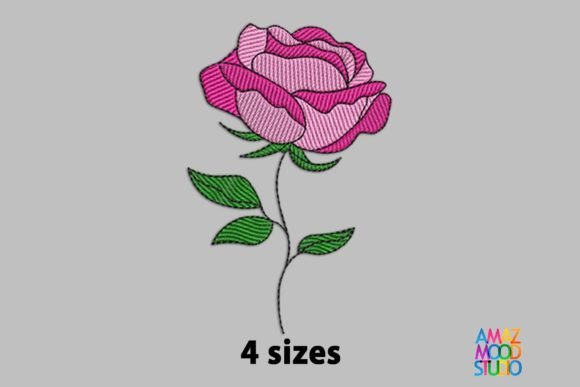
A craft fair product needs to engage buyers quickly. The Rainbow Rose, as a single flower plants design, is easy to understand at a glance. Customers see a beautiful, colorful rose—the emotion is immediate. It works as both an accent and a focal piece, which allows me to tell a story at my booth: “This same design can be a small patch for your jacket or a large statement on your pillow.” That conversation drives buyer engagement and can lead to multiple sales.
For boutique makers and creative entrepreneurs, the strength of your booth display relies on such versatile designs. Having a range of products—from small embroidered patches to larger tote bag designs—all featuring the cohesive Rainbow Rose, creates a thematic collection that catches the eye and encourages shoppers to stop and explore.
In summary, the Rainbow Rose embroidery design presents a compelling opportunity for craft fair sellers. Its sweet and modern mood fits a wide range of handmade gifts and commercial embroidery products. By carefully addressing production details like stabilizer use, fabric texture, and hoop size, and by showcasing it on products where its colors naturally stand out, this design can become a reliable seller that boosts your handmade product line and draws consistent customer attention.